NMN and Science: What Does Science Say About NMN?
Human NMN Studies and research is promising in some areas, but it does not yet fully support many of the stronger anti-ageing claims commonly made about NMN.
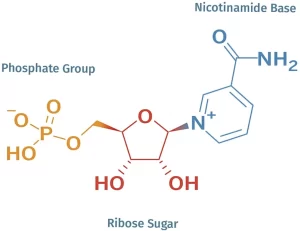
Nicotinamide mononucleotide (NMN) has attracted considerable scientific and public interest in recent years. It is a naturally occurring compound involved in the production of NAD+ (nicotinamide adenine dinucleotide), a molecule that plays an important role in energy metabolism and numerous cellular processes.
But what does the science say about NMN?
Research through NMN Studies has expanded rapidly, with NMN studies ranging from laboratory and animal research to human clinical trials. The results are interesting, but it is important to distinguish between what has been demonstrated in humans and what remains a promising area of research.
What is NMN?
NMN stands for nicotinamide mononucleotide. It is a molecule that occurs naturally in the body and is also found in small amounts in some foods.
One of the reasons NMN has attracted attention is its relationship with NAD+. NMN can be used by the body as a precursor in the production of NAD+.
NAD+ is involved in several fundamental biological processes, including energy production, cellular signalling and DNA repair. It is also involved in the activity of enzymes such as sirtuins and PARPs.
Researchers in NMN Studies have therefore become interested in whether increasing NAD+ availability through compounds such as NMN could influence aspects of ageing, metabolism and cellular function. (Frontiers)
Why is NAD+ important?
NAD+ is essential for normal cellular function. It participates in the chemical reactions that allow cells to extract energy from nutrients and is involved in a number of other cellular processes.
Research has also found that NAD+ metabolism changes with age. This has led scientists to investigate whether restoring or increasing NAD+ levels could potentially influence aspects of age-related decline.
NMN is one of several compounds being studied as a way of increasing NAD+ availability. Nicotinamide riboside (NR) is another NAD+ precursor that has received considerable scientific attention.
However, an important distinction needs to be made:
Increasing NAD+ levels is not necessarily the same thing as producing a measurable health benefit.
This distinction is central to understanding the current evidence surrounding NMN.
What does the research say about NMN and NAD+?
One of the clearest NMN studies and science findings from human research is that oral NMN supplementation can increase NAD-related metabolites in the body.
Clinical studies have reported increases in NAD+ or related metabolites following NMN supplementation. A 2024 review of NMN research found that human trials had generally demonstrated increased NAD+ metabolism following supplementation. (Frontiers)
More recently, a 24-week randomised, double-blind, placebo-controlled trial involving adults aged 65 and over found that 1,250 mg of NMN per day significantly increased NAD+ and related metabolites in whole blood. (Nature)
This is important because it provides human evidence that NMN is biologically active.
However, the next question is much more difficult:
Does increasing NAD+ actually improve health or slow ageing in humans?
At present, the answer is not established.
What does science say about NMN and ageing?
What NMN and Science says about ageing. Ageing is one of the main reasons for the interest in NMN.
Animal and laboratory research has produced numerous interesting findings. Studies have investigated NMN in relation to mitochondrial function, metabolism, inflammation, physical performance and other aspects of ageing.
These findings have generated considerable interest in the possibility that NAD+ metabolism could be involved in age-related changes.
However, results from laboratory and animal studies cannot automatically be applied to humans.
Human clinical research is still comparatively limited, and the outcomes have been mixed.
A 2026 systematic review of NAD+-boosting interventions concluded that NMN and other NAD+ precursors consistently demonstrated biological activity in humans, but effects on functional, metabolic, vascular and other healthspan-related outcomes were heterogeneous and often absent or limited to particular endpoints. The review concluded that clinical effectiveness for anti-ageing and wellness outcomes remains inconclusive. (PubMed)
Therefore, it would currently be too strong to claim that NMN has been proven to slow human ageing.
NMN and energy production
Because NAD+ is involved in cellular energy metabolism, researchers have investigated whether NMN supplementation could influence physical performance and energy-related measures.
Some individual NMN studies have reported potentially interesting findings.
However, the overall evidence is not yet consistent enough to conclude that NMN supplementation reliably improves energy levels or physical performance in healthy people.
A systematic review of randomised controlled trials involving NMN and physical performance identified 10 studies involving 437 participants. The researchers noted potential improvements in some physical performance measures, but the relatively small number of studies and participants means that further research is required. (PubMed)
The latest 24-week trial in older adults is also instructive. Although NMN substantially increased NAD-related metabolites, the researchers did not find significant improvements in their primary measure of auditory function or in physical performance measures. (Nature)
This illustrates an important principle in NMN research:
A measurable biochemical change does not necessarily translate into a measurable improvement in health or performance.
NMN and blood sugar
Another area of NMN studies research concerns glucose metabolism.
Because NAD+ is involved in metabolic processes, researchers have investigated whether NMN might influence blood glucose, insulin sensitivity and related measures.
The evidence in NMN Studies so far, is not conclusive.
A systematic review and meta-analysis of randomised controlled trials examined NMN supplementation and glucose and lipid metabolism in adults. The analysis found that NMN significantly increased blood NAD levels, but most clinically relevant measures—including fasting glucose, insulin, HbA1c and lipid measures—were not significantly different from controls. (PubMed)
Another meta-analysis reached a similar conclusion, finding no significant improvements in fasting glucose, fasting insulin, HbA1c, insulin resistance or lipid profiles in the available randomised trials. (PubMed)
This means that while NMN studies show a clear biological effect on NAD metabolism, there is currently insufficient evidence to say that NMN is an established treatment for blood sugar problems or metabolic disease.
NMN and cardiovascular health
Researchers are also investigating whether NMN could influence cardiovascular-related measures.
For example, a 12-week randomised controlled trial involving 36 healthy middle-aged adults investigated NMN supplementation at 250 mg per day. The study reported changes in NAD-related metabolism and observed a tendency towards lower pulse wave velocity, a measure associated with arterial stiffness. However, the difference between the NMN and placebo groups was not statistically significant. (Nature)
This is an example of why it is important to look beyond headlines.
A preliminary finding can provide a reason for further research without proving that a supplement improves cardiovascular health.
Is NMN safe?
Safety is another important part of the scientific discussion.
Human studies conducted so far have generally reported that NMN is well tolerated over the relatively short periods investigated.
One randomised, double-blind, placebo-controlled study gave 31 healthy adults 1,250 mg of NMN daily for up to four weeks. The researchers reported no severe adverse events and found no clinically important changes in several laboratory and physiological measurements. (Nature)
More recently, the 24-week trial involving older adults also reported that high-dose NMN was generally well tolerated, although the researchers emphasised the importance of continued safety monitoring. (Nature)
A 2026 systematic review and meta-analysis covering 15 trials found no clear increase in overall or serious adverse events and no significant increase in liver enzymes in the available studies. However, the authors emphasised that longer and larger studies are needed to establish long-term safety and effectiveness. (PubMed)
It is therefore reasonable to say that short-term human studies have generally produced reassuring safety findings.
It would be premature, however, to describe NMN as proven safe for every person or for indefinite long-term use.
What are the limitations of current NMN research?
Understanding the limitations of the evidence is just as important as understanding the positive findings.
1. Many studies are relatively small
Some human NMN studies and trials have involved only a few dozen participants.
Small studies can provide useful evidence but are less capable of detecting uncommon side effects or relatively small health effects.
2. Many studies are relatively short
A considerable proportion of human NMN research has lasted only several weeks or a few months.
This means that considerably more research is needed to understand the effects of prolonged supplementation.
3. Studies use different doses
Human trials have investigated different NMN doses, ranging from relatively low doses to considerably higher amounts.
There is currently no universally established dose that has been demonstrated to provide a particular health benefit for the general population.
4. Different studies measure different outcomes
Some NMN studies measure NAD+ levels.
Others investigate glucose metabolism, physical performance, blood pressure, arterial stiffness, body composition or other measures.
Consequently, results cannot always be directly compared.
5. Raising NAD+ does not automatically prove a health benefit
This may be the most important limitation.
The research increasingly demonstrates that NMN can influence NAD+ metabolism. But whether that translates into meaningful improvements in longevity, healthy ageing, physical function or disease prevention remains an active area of research.
What has actually been proven?
What does the science say about NMN. Based on the current human evidence, several conclusions can reasonably be drawn.
NMN is biologically active. Human NMN studies demonstrate that supplementation can increase NAD-related metabolites. (PubMed)
Short-term studies have generally found NMN to be well tolerated. However, longer-term safety data are still developing. (Nature)
NMN research is scientifically promising. There is substantial interest in its potential relationship with ageing, metabolism, mitochondrial function and other biological processes.
Many claimed health benefits have not yet been established in humans. Systematic reviews have found inconsistent or non-significant effects for several clinically relevant outcomes. (PubMed)
More research is needed. Larger, longer and well-controlled clinical trials will be important for determining whether changes in NAD+ metabolism translate into meaningful improvements in human health.
NMN: promising science, but not a proven anti-ageing treatment
The scientific picture surrounding NMN is therefore more nuanced than some online marketing suggests.
There is a genuine biological rationale for studying NMN. NAD+ is an important molecule, NMN can influence NAD+ metabolism, and laboratory and animal studies have produced many interesting findings.
Human research has now provided evidence that NMN can increase NAD-related metabolites and appears to be reasonably well tolerated in the short to medium term.
What remains uncertain is whether these biochemical changes produce substantial, long-term improvements in human health, longevity or the ageing process.
For this reason, NMN studies are best described as a promising area of scientific research rather than a proven anti-ageing solution.
As research continues, larger and longer clinical trials should help establish which effects are genuine, which people might benefit, what doses are appropriate and what the long-term safety profile looks like.
The bottom line
So, what do NMN Studies and science say?
The evidence in NMN studies to date suggests that NMN can increase NAD-related metabolites in humans and has generally been well tolerated in the clinical studies conducted so far. However, evidence for broader health, performance and anti-ageing benefits remains inconsistent.
The science is interesting—and developing—but it is important to separate what has been demonstrated in human clinical trials from what has only been observed in laboratory or animal research.
For anyone considering NMN supplementation, individual circumstances matter, and people with medical conditions or who take medicines should discuss supplements with an appropriate healthcare professional.
Frequently Asked Questions About NMN and Science
What does NMN stand for?
NMN stands for nicotinamide mononucleotide. It is a naturally occurring molecule and a precursor involved in the body’s production of NAD+.
Does NMN increase NAD+?
Human clinical studies indicate that NMN supplementation can increase NAD+ or related NAD metabolites. (Nature)
Has NMN been proven to slow ageing?
No. Although laboratory and animal research has produced promising findings, current human evidence does not establish that NMN slows or reverses the ageing process. (PubMed)
Is NMN safe?
Short-term clinical studies have generally found NMN to be well tolerated, but long-term safety data are still developing. (Nature)
Does NMN improve blood sugar?
Current randomised clinical evidence does not establish a significant overall benefit of NMN supplementation on glucose control. (PubMed)
Is more research needed on NMN?
Yes. Larger and longer human clinical trials are needed to determine whether increasing NAD+ through NMN supplementation produces meaningful long-term health benefits.

📅 Last updated:
One Response